info@dolium.eu | Antwerp, BE · Lincoln, US
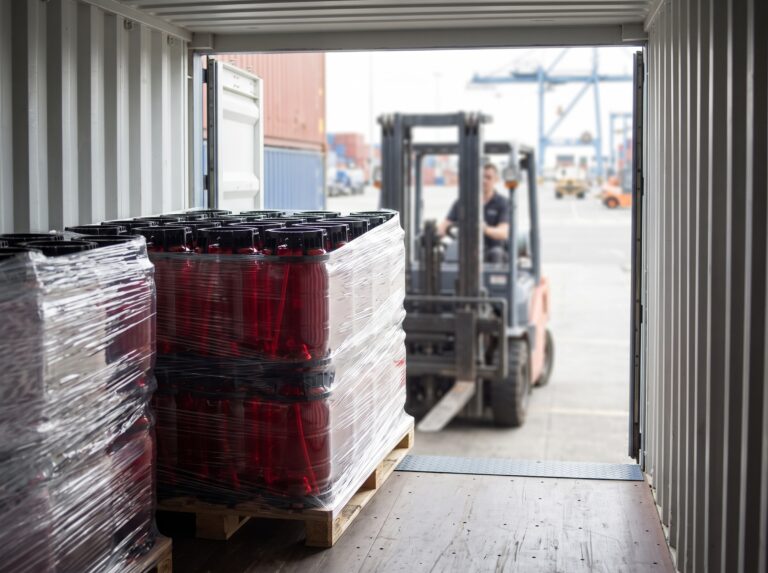
The case Dolium was built for. A returnable keg has to travel back empty over long distances; a Dolium keg ships out, pours on the local line and is recycled at destination.
A stainless steel keg only pays off when it rotates quickly and stays close to home. Over long distances it has to travel back empty, which means return transport, sorting, booking space on a boat, and capital tied up for months while the keg is at sea. On many export routes it may never come back at all, and each lost keg is an expensive write-off.
A Dolium keg ships out, pours through the existing dispense equipment and is recycled locally.
No return, no cleaning, no risk of loss.
Draught becomes viable in new markets where a stainless steel keg is not an optimal option, and you reach them without building a travelling stainless steel keg fleet.
Departure
A brewery in Europe ships kegs to Australia.
Two sides of the same switch: what disappears from your operation, and what it opens up.
Four things decide whether a keg survives the journey: the dispense equipment it pours on, the pressure inside, the beverage that arrives, and what happens to the keg once it is empty.
All standard A, G, S and D spears, so it pours on the equipment already in place, with no re-tooling abroad.
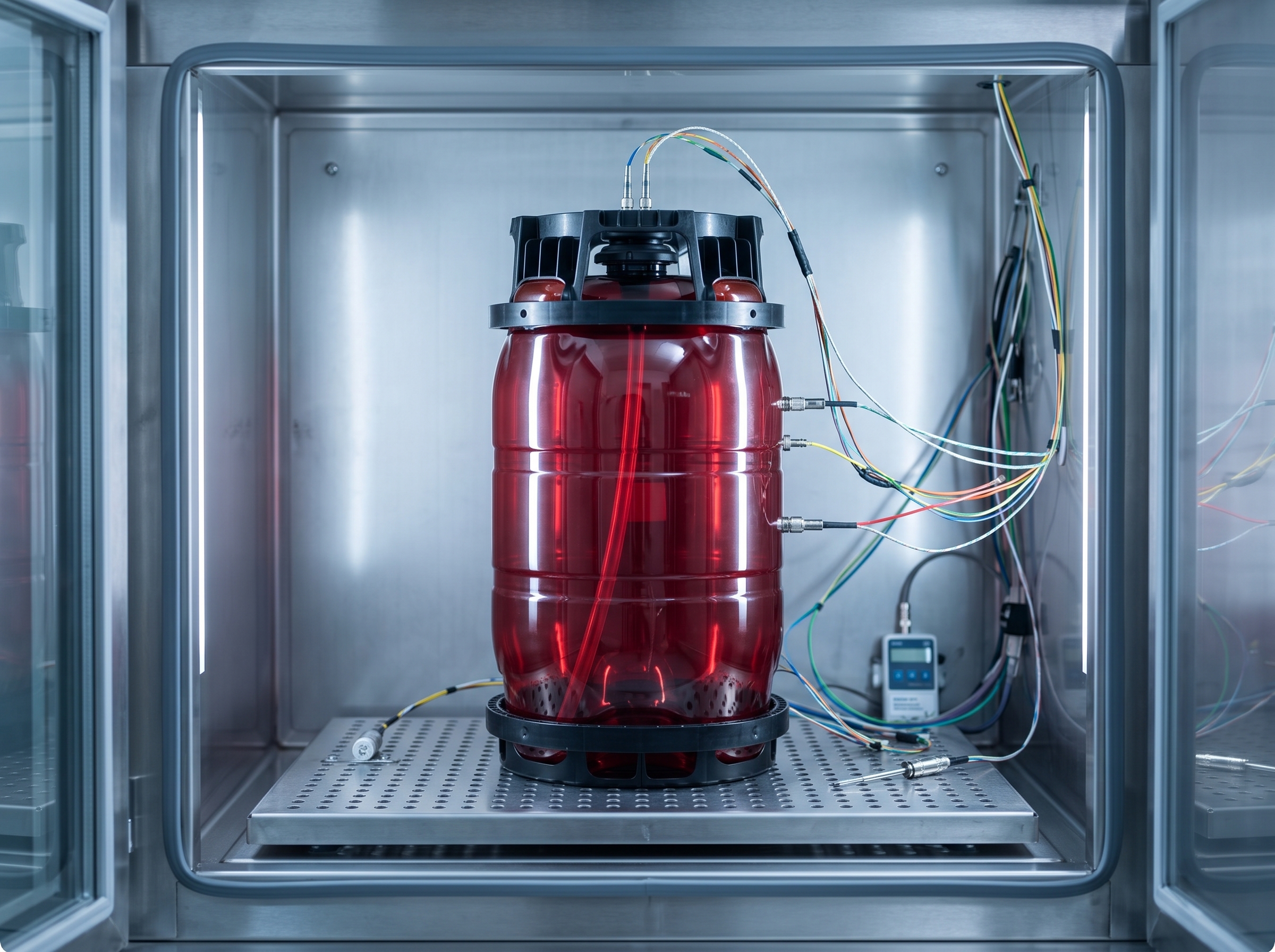
The APRV (Automatic Pressure Relief Valve) keeps the pressure under control, and the three-barrier technology keeps flavour and carbonation intact through months of transit and temperature swings.
The patented APRV manages pressure automatically during storage and shipping, opening at 5 bar and re-closing at 2 bar.
The keg is recycled through standard recycling streams where it is emptied, so nothing has to cross a border twice.
Dolium kegs have been audited and certified by leading global beverage companies under extreme conditions of temperature, pressure and handling, with up to 18 months of barrier protection.
Tell us your markets and volumes and we help you place each route.