info@dolium.eu | Antwerp, BE · Lincoln, US
The honest comparison. It comes down to how often a keg rotates, not to stainless steel being bad.
If your keg rotates slowly, travels far or does not come back, Dolium is the better choice. A stainless steel keg is engineered to be reused many times and earns back its cost when it rotates quickly and stays close to home, so we are complementary to stainless steel kegs, not a replacement.
The lower a keg rotates, the more that model breaks down. A keg that turns only once or twice a year spends most of its life as return transport, cleaning cycles and idle capital sitting in a warehouse. That is exactly where a one-way keg wins, and where Dolium is built to perform.
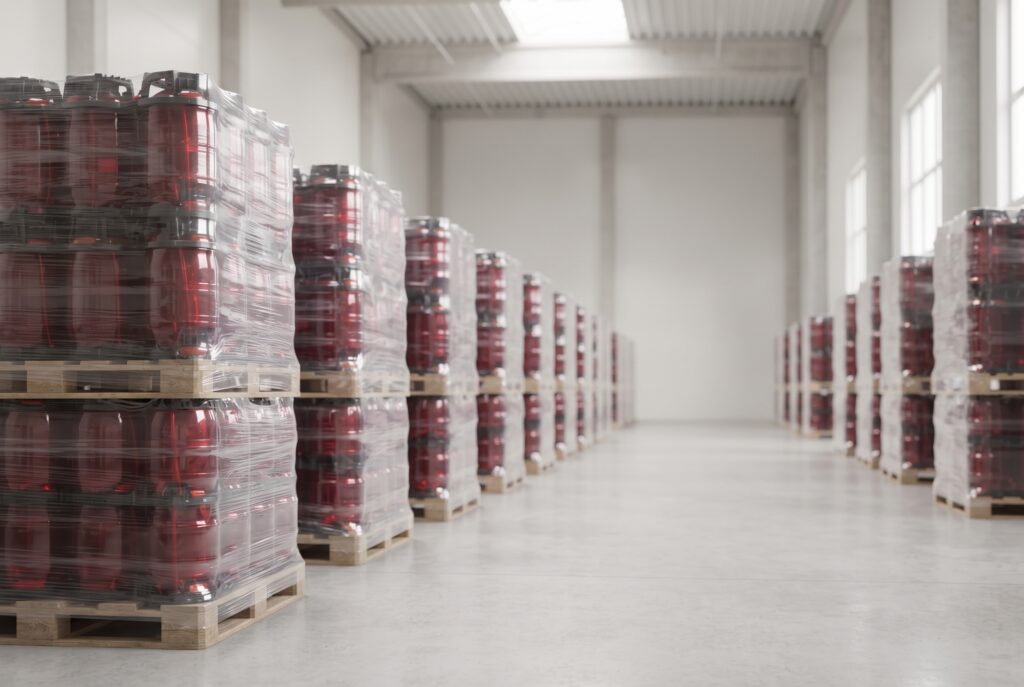
Use rotation speed as your first filter: how often do you fill the same keg for the same route during the year?
Dolium
Export, long distance and low-rotation routes. The keg spends its life travelling, not coming back.
It depends
This is where a lot of real customers sit. Distance, season and storage cost decide it. Ask us to run the numbers on your routes.
Stainless steel
Local and regional routes with a stable base volume. The fleet earns itself back, so keep using it.
Rotation thresholds are indicative and meant as a first filter, not as a rule. Tell us your markets and rotation and we help you place each route.
The same beer, the same tap. The difference is everything that happens during the journey.
Criterion
Dolium keg
Stainless steel keg
A stainless steel keg keeps costing money long after you have bought it. This is what a one-way keg takes off the list.
You buy the kegs you ship instead of financing a fleet that has to earn itself back.
No wash, no sanitising, no water, chemicals or energy per cycle. The keg arrives ready to fill.
Nothing comes back empty, so no reverse logistics, no deposits, no tracking and no write-offs abroad.
An empty Dolium keg weighs a fraction of a stainless steel one, so a load carries more beverage and less packaging.
Weights come from the official product sheets. The cost effect depends on your own routes and volumes, so ask us to run the numbers rather than take a percentage on trust.
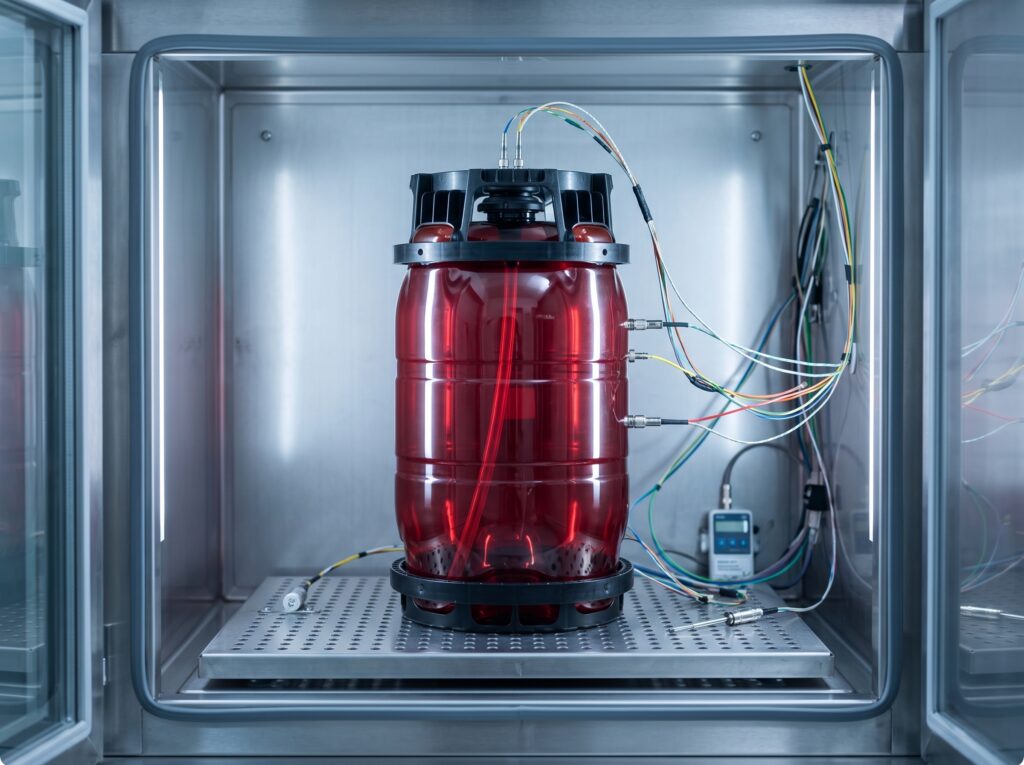
Yes. The patented APRV (Automatic Pressure Relief Valve) opens at 5 bar and re-closes at 2 bar, the highest safety level of any one-way keg.
An active oxygen barrier and a CO2 loss of less than 5% after 6 months protect flavour and carbonation.
If your kegs rotate fast and stay close to home, keep using stainless steel. Dolium is complementary: use it for the routes and peaks where stainless steel loses money, not to replace a fleet that already works.